The best places to buy a holiday park in the UK
The best place to buy a holiday park in the UK is where strong, durable visitor demand meets a park you can buy and run profitably, on tenure and a licence that
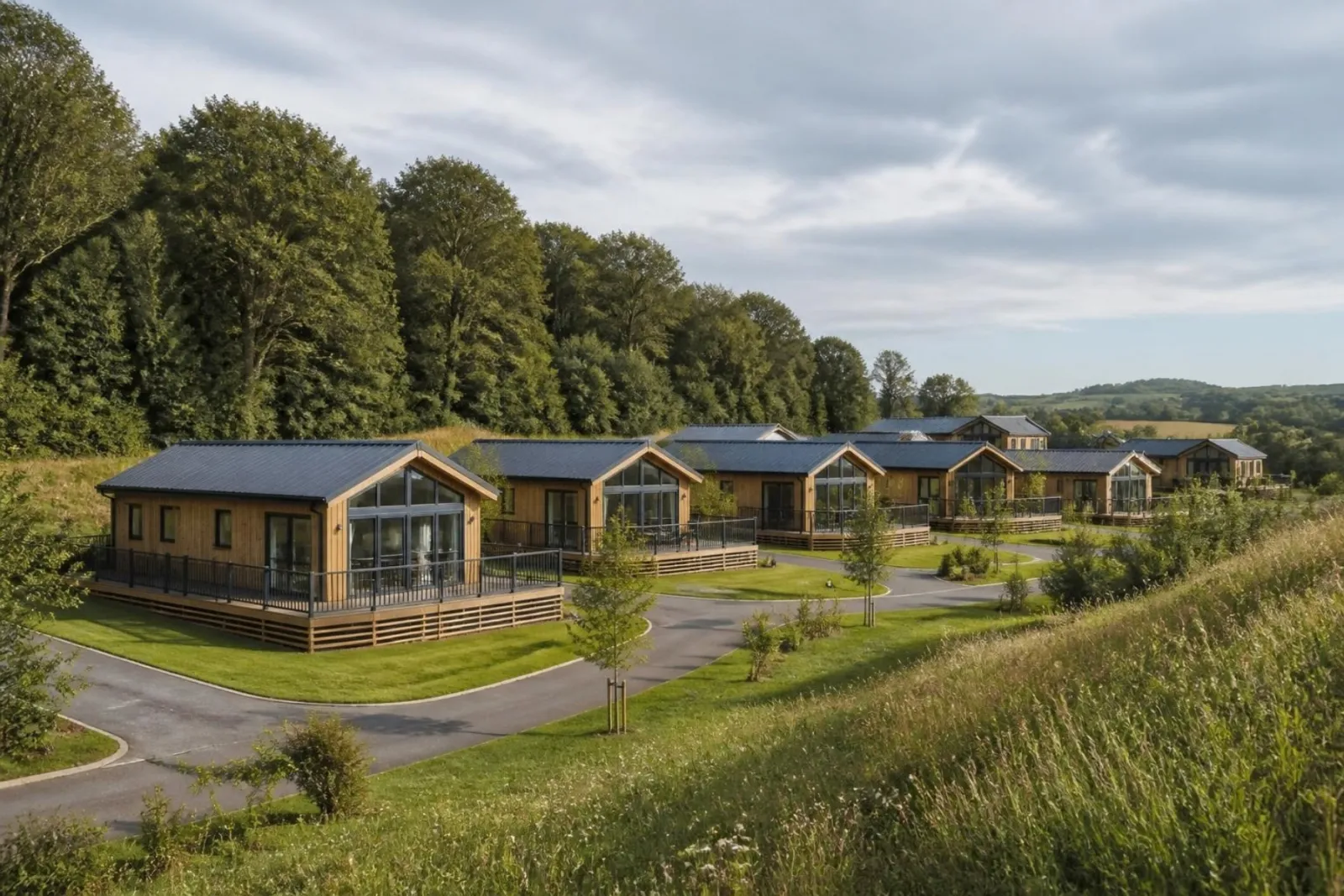

The best place to buy a holiday park in the UK is where strong, durable visitor demand meets a park you can buy and run profitably, on tenure and a licence that support both the income and the finance. There is no single answer, because the right location depends on your budget, the type of park you want and how hands-on you can be, but the factors that separate a strong park location from a weak one are consistent.
This guide sets out what makes a good park location, the regions that consistently perform, the licence and planning check to run before you commit, and how to finance a purchase once you have chosen an area. We arrange holiday park finance as a broker and introducer, not a lender. This is general information rather than investment advice, and demand in any single location is never guaranteed.
What makes a strong park location?
Five factors matter most. First, proven, durable visitor demand, so the park's pitches stay full of holiday-home owners and touring guests; the UK Caravan and Camping Alliance's Pitching the Value 2024 report put high-season pitch occupancy around 68 per cent across the sector, but it concentrates in established destinations. Second, the licence and planning position, including the permitted season and any room to add pitches, because these set the income ceiling. Third, tenure, with freehold or long leasehold far stronger than a short lease. Fourth, accessibility and a clear visitor draw, whether coast, national park or attraction. Fifth, the local market for holiday-home sales, which underpins the pitch-fee base.
Beyond the area, the park itself has to suit its market. The strongest parks combine a recognised location with a durable base of fee-paying holiday-home owners, headroom to grow through caravan sales or new pitches where the consents allow, infrastructure in good order, and an offer that retains customers year after year. The most useful research is to study the accounts and the local market for comparable parks, looking at the pitch fees, occupancy and sales that similar sites actually achieve, alongside benchmarks such as the UKCCA occupancy figure and Savills' per-pitch transaction values.
Coastal and rural regions that perform
The traditional heartlands of UK holiday parks are the coasts and national parks. The South West, particularly Cornwall, Devon and the Dorset and Somerset coast, has long supported strong static and touring parks with a long season and high demand, though entry prices are correspondingly high. Wales, especially the Pembrokeshire, Gower and North Wales coasts, and the Lake District and Yorkshire coast and dales, combine scenery with established park markets. The East Coast, from Lincolnshire through Norfolk and Suffolk to Kent, has a large and well-established static-park sector serving its regional populations.
Scotland's coasts, lochs and Highlands draw strong touring, camping and lodge demand, and the further north and west you go the more the season and access shape the model. The common thread across these regions is that the best-performing parks pair a recognised draw with a long permitted season, durable pitch-fee income and good tenure. A beautiful location with a restrictive licence, a short lease or no room to grow can be a weaker investment than a less glamorous park with strong recurring income and freehold tenure, which is why the fundamentals matter more than the postcode alone.
Where the demand for sites is, and the deal market
Beyond the headline destinations, demand for parks follows population and access as well as scenery. Parks within easy reach of large regional populations, serving repeat short breaks and weekend holiday-home use, can be very resilient because their customers do not depend on a long journey. Glamping and lodge parks have grown demand in areas close to cities and attractions as well as in remote scenic spots, broadening where a park can work. The active transaction market reflects this breadth: Christie and Co reported agreed park and leisure deals tripling in the first half of 2025, a sign of strong investor appetite across regions.
For a buyer, this means the best opportunity is often where strong fundamentals meet a realistic price rather than where the scenery is most famous. A well-run park with durable income and good tenure in a solid regional market can offer a better risk-adjusted return than a trophy site at a full price. We see deals across the country, and the consistent lesson is that the income quality, tenure and licence decide the outcome more than the region. Our holiday park yields and EBITDA guide covers how to read those fundamentals.
Run the licence and planning check before you commit
Wherever you are looking, confirm the caravan site licence and planning position before you offer, because they govern what the park can earn and whether it can grow. Check the number and type of units the licence and planning permit, the siting, the permitted use, and the open season, since a park closed for winter earns less than a twelve-month holiday park. Check any conditions that limit expansion, and whether adding lodges, glamping or new pitches would need fresh consent. Check too for any residential element, which brings separate, regulated considerations that change the risk and the finance.
Tenure sits alongside the licence in this check. A short or restrictive lease can undermine an otherwise strong park, so the lease terms need reading as carefully as the accounts. A location that looks ideal on demand can be a poor buy if the licence restricts the season, the planning blocks growth, or the tenure is weak. Our caravan site licence guide and our park licensing and rules guide walk through each of these, and we recommend confirming the position with the council and a solicitor before committing.
Financing a park in your chosen area
Once you have chosen a location and a park, the funding follows the asset and its earnings. Most purchases of a trading park are funded with a specialist park acquisition mortgage, sized on the park's EBITDA and the strength of its tenure, licence and location, typically at around 50 to 65 per cent loan to value over 15 to 25 years. Lenders favour parks in recognised areas with durable, well-evidenced income and good tenure, so a strong location and a clean licence help the funding as well as the income.
Where the park needs work, is a fast or distressed purchase, or is to be developed with new pitches, lodges or glamping, a bridging or development facility can fund the purchase and the works, with a refinance onto a term park mortgage once it is stabilised. We arrange all of these across specialist leisure and commercial lenders, and we can issue terms in principle before you offer, which strengthens your hand in a competitive market. Larger development and glamping schemes can run through our glamping and lodge development finance, and the wider commercial picture through our colleagues at Commercial Mortgages Broker. We act as a broker and introducer, not a lender.
Best places to buy a holiday park: common questions
Where is the best place to buy a holiday park in the UK?
There is no single best place, but the consistently strong markets are the South West, the Welsh coast, the Lake District and Yorkshire coast and dales, the East Coast static-park belt, and the Scottish coasts and Highlands. The right choice depends on the park's tenure, licence, season and income quality as much as the region, so run a licence and demand check on the specific site.
What makes one park location better than another?
Durable visitor demand and a strong local market for holiday-home sales, a long permitted season under the licence, freehold or long leasehold tenure, good access and a clear visitor draw, and room to grow through caravan sales or new pitches. A famous location with a restrictive licence or short lease can be weaker than a solid regional park with durable income and freehold tenure.
Do I need to check the site licence before buying a park?
Yes, always, and before you offer. The caravan site licence and planning permission control the number and type of units, the siting, the permitted use and the open season, and any residential element brings separate regulated considerations. Tenure should be checked alongside. Confirm the position with the council and a solicitor, because it governs both the income and the finance.
How do I finance a holiday park once I have chosen an area?
A trading park is usually funded with a specialist park acquisition mortgage, sized on EBITDA at around 50 to 65 per cent loan to value over 15 to 25 years. Parks needing work or development can be funded with bridging or development finance and refinanced onto a term mortgage once stabilised. We arrange both as a broker and introducer and can issue terms before you offer.
Ready to talk about a real deal?
Send us the deal and we will come back with a view on fundability and likely terms within one working day.