Holiday park site licensing and rules in the UK
Holiday park rules in the UK bring together several separate strands, and getting any of them wrong can undermine a deal. Before you buy or run a park, you need
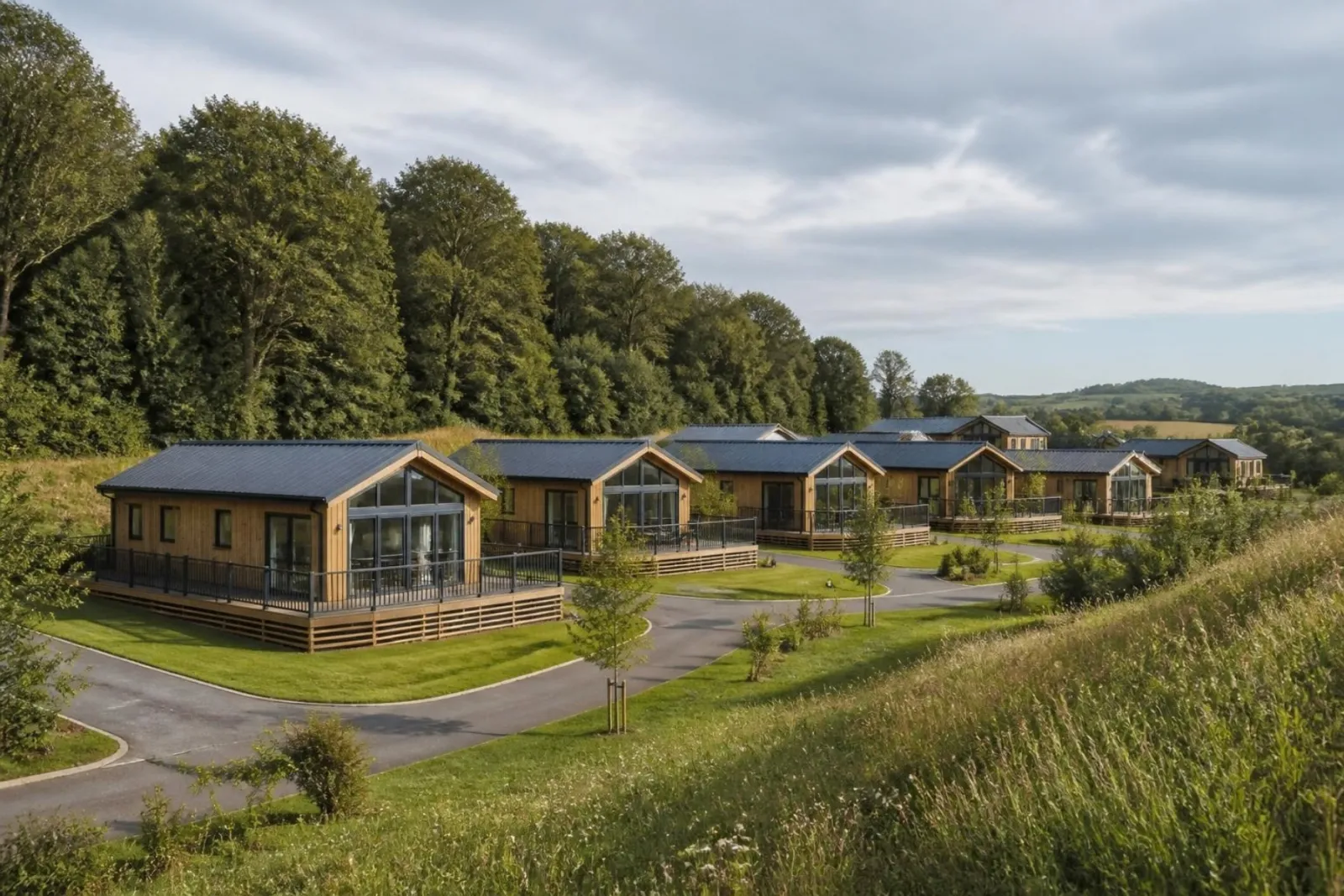

Holiday park rules in the UK bring together several separate strands, and getting any of them wrong can undermine a deal. Before you buy or run a park, you need to understand four areas: the caravan site licence that permits the site to operate, the planning permission that sits behind it and controls use, density and season, the tenure on which the park is held, and the tax position, including the abolished FHL regime, that affects the park and the holiday homes on it. These are the foundations a park is bought, valued and financed on.
This guide pulls the rules together in plain English: the site licence and how it works with planning, the permitted use and season, freehold and leasehold tenure, residential considerations, and the tax position after the 2025 changes. We arrange holiday park finance as a broker and introducer, not a lender. Crucially, this is general information and not legal or tax advice; the rules vary and are applied locally, so confirm your own position with the relevant council, a solicitor and an accountant.
The caravan site licence and planning permission
Every holiday park operates under a caravan site licence issued by the local authority, which sits alongside the planning permission for the site. The two work together: the planning permission establishes the principle of the use and usually sets the broad parameters, while the site licence sets the detailed operating conditions, including the number and type of caravans, their siting and spacing, fire safety, services and amenities. Operating outside the licence conditions, or without a licence, is a serious matter, so the licence and its conditions are among the first things to examine on any park.
Because the licence and planning together control how many units the park can hold, of what type, where, and for what use, they set the ceiling on what the park can earn and whether it can grow. A park whose consents allow more pitches, lodges or glamping has development potential; one that is built out or restricted does not. Any change, such as adding units, extending the season or altering the use, may need a licence variation or fresh planning consent. Our caravan site licence guide goes into the licence itself in detail, and we recommend confirming the licence and planning position with the council before you commit to a park.
Permitted use and the open season
The permitted use is central to a park's value. A holiday licence restricts the caravans to holiday use only, meaning they cannot be used as anyone's sole or main residence, and often defines an open season during which the park may operate, closing it for part of the winter. A park with twelve-month holiday occupation can earn across more of the year and is worth more than one closed for several months, so the season length is a direct driver of income and value, and a key thing to verify before buying.
Some parks have a residential element, where certain pitches are licensed for permanent residential use, often under the separate framework that governs residential park homes. This brings additional, regulated considerations around residents' rights and the relationship between operator and resident, and it changes the risk and the finance, because residential park-home elements can bring regulated considerations that a purely holiday park does not. A mixed park needs the residential and holiday parts clearly understood and separately assessed. Where there is any residential occupation, confirm exactly how those pitches are licensed and regulated, because the rules differ markedly from holiday use.
Tenure: freehold and leasehold
Tenure decides how strong the asset is, and it matters as much to a lender as the earnings. A freehold park, where the operator owns the land outright, holds its value in the land and the trading right together, and is the strongest and most financeable form of park ownership. A long leasehold can also work well, provided the term is long and the lease terms are reasonable. A short or restrictive leasehold is a weaker security: as the term shortens the value can erode, and lenders are far more cautious, so the lease terms need reading as carefully as the accounts.
Tenure also interacts with the structure of the purchase, whether you buy the assets or the company that holds them, and with any leases or licences granted to third parties operating on the site. A park that looks strong on its trading accounts can be a weak buy if the tenure is short or encumbered, so the tenure review is a core part of due diligence, not a formality. Our how to buy a holiday park guide covers the asset-or-share question, and we always factor tenure into how a deal is financed because it is central to the security a lender takes.
The tax position after April 2025
The tax picture changed in 2025. The furnished holiday lettings (FHL) regime, which gave qualifying self-catering holiday accommodation favourable treatment on finance costs, capital allowances, pension-relevant earnings and certain capital gains reliefs, was abolished from April 2025. For the park operator's own business the direct effect is limited, because a park is taxed as a trade rather than as residential property letting. The change matters more for the holiday-home owners sited on a park who let their caravans out, and for any park-owned units let as holiday accommodation, whose tax treatment has changed.
This indirect effect is worth understanding, because the demand for owning a holiday caravan to let, which underpins part of the pitch-fee base, is influenced by the tax position. The change has also reinforced the case for taking proper structuring advice on a park purchase, including whether to hold through a limited company, which is common in the sector. Whether that suits you is a genuinely individual decision for an accountant. Our FHL tax changes guide explains exactly what was abolished. We are a finance arranger, not a tax adviser, so treat this as background and take professional advice before acting.
How the rules affect financing
The licence, planning, tenure and tax position feed directly into funding, because they define the asset a lender is lending against. A park with a clear site licence, a long open season, freehold or long leasehold tenure and well-documented consents is a straightforward, strong credit story. A park with a restrictive licence, a short lease, a residential element that is not clearly regulated, or planning that blocks growth is a weaker and more cautiously underwritten proposition, whatever its current earnings.
Getting the rules right therefore strengthens the funding as well as keeping the park compliant and valuable. When we package a park finance case, we set out the licence, the season, the tenure and the consents clearly, because a park whose regulatory and tenure position is evidently in order is far easier to fund on good terms. We arrange the finance across specialist leisure and commercial lenders as a broker and introducer, but confirming the licence, planning, tenure and tax position is the buyer's responsibility, to be checked with the council, a solicitor and an accountant.
Holiday park site licensing and rules: common questions
What is a caravan site licence?
A caravan site licence is the permission issued by the local authority that allows a park to operate, sitting alongside the planning permission. It sets conditions on the number and type of caravans, their siting and spacing, fire safety, services and amenities, and the permitted use. Operating outside the licence or without one is a serious matter, so it is central to buying and running a park.
Can you live permanently on a holiday park?
Generally no. A holiday licence restricts caravans to holiday use only, so they cannot be anyone's sole or main residence, and many parks also close for part of the winter. Some parks have a separate residential element under the park-homes framework, but that is distinct from holiday use and brings its own regulated considerations. Always confirm the licensed use of any pitch.
Why does freehold versus leasehold matter for a park?
Tenure decides how strong and financeable the asset is. A freehold park holds its value in the land and trading right together and is the strongest form of ownership. A long leasehold can work well, but a short or restrictive lease is a weaker security whose value erodes as the term shortens, so lenders are far more cautious. Tenure is reviewed as carefully as the accounts.
Is this article legal or tax advice?
No. This is general information only. Holiday park licensing, planning, tenure and tax rules vary and are applied locally, so you should confirm the current position for your specific park with the relevant local authority, a qualified solicitor and an accountant before buying or operating a park.
Ready to talk about a real deal?
Send us the deal and we will come back with a view on fundability and likely terms within one working day.