The holiday park purchase process, step by step
The holiday park purchase process is a commercial transaction, closer to buying a hotel or a trading business than buying a house. It runs from agreeing a price
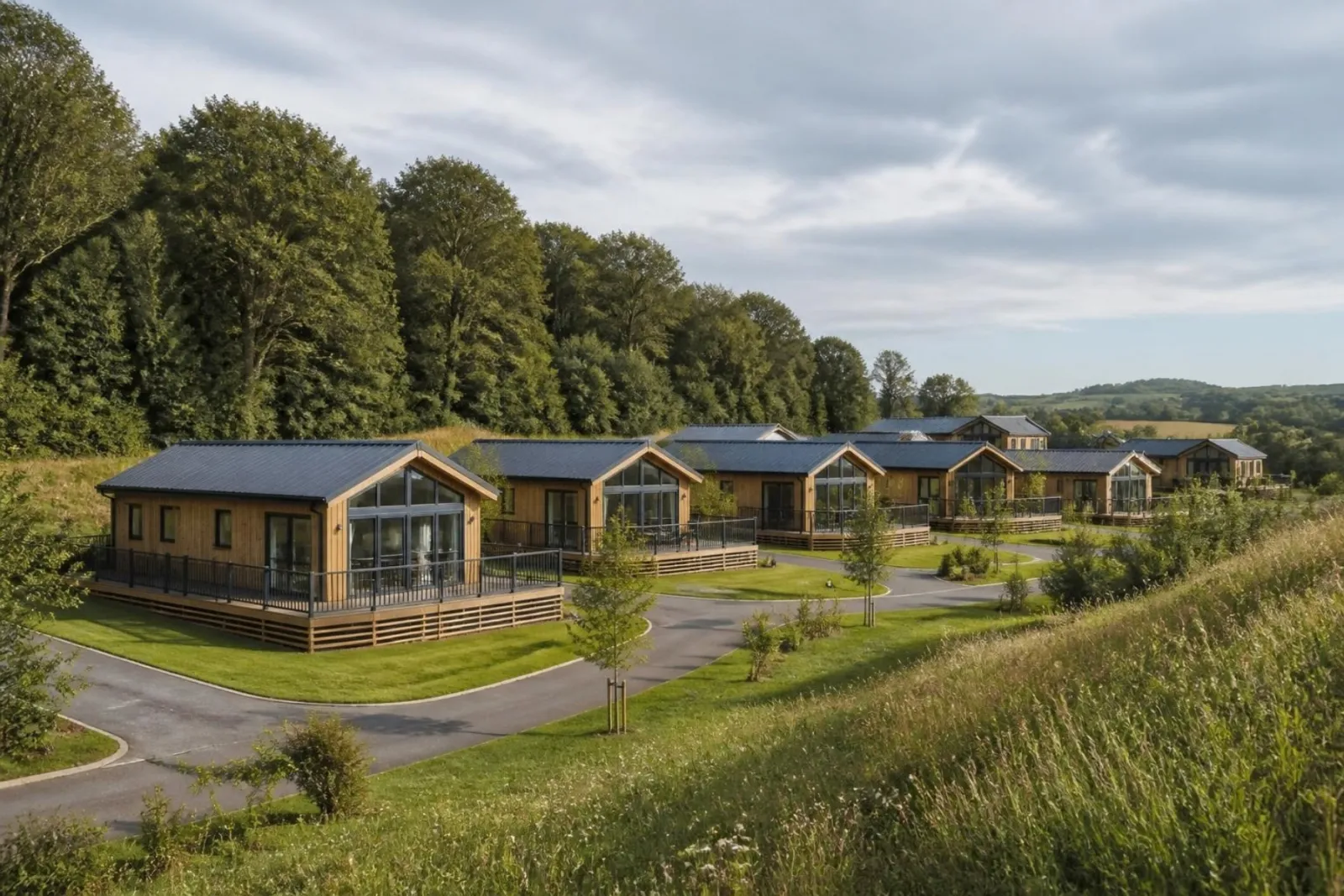

The holiday park purchase process is a commercial transaction, closer to buying a hotel or a trading business than buying a house. It runs from agreeing a price and signing heads of terms, through detailed due diligence on the accounts, licence and tenure, to a completion that deals with the business, the staff and the stock of caravans. Understanding the sequence, and where the finance fits into it, is what keeps a park purchase on track.
This guide sets out the process step by step: heads of terms, due diligence, the asset-or-share choice, the legal and finance work that runs in parallel, and completion. We arrange holiday park finance as a broker and introducer across specialist leisure and commercial lenders. We are not a lender, and this is general information rather than advice.
Heads of terms and agreeing the deal
Most park deals begin with heads of terms, a short document setting out the agreed price, what is included, the structure (asset or share purchase), any conditions, and the timetable. It is not usually binding on the main terms, but it frames the whole transaction and is worth getting right, because renegotiating fundamentals later is difficult and damages trust. At this stage you should already have a clear view of how the park earns its money and a finance route in principle, so the price you agree is one a lender can actually support.
Agreeing the deal well means understanding the seller's reasons for selling and the basis of the asking price. Parks are usually marketed at a multiple of earnings, so a price that looks reasonable on turnover can look stretched on profit, or vice versa. Getting terms agreed in principle on the finance before you commit, which we can arrange, lets you negotiate from a position of credibility and move quickly when a good park comes to market, which matters given that Christie and Co reported agreed park and leisure deals tripling in the first half of 2025.
Due diligence: accounts, licence, tenure and stock
Due diligence is the heart of a park purchase, and it is more searching than a house buyer would expect. On the financial side, you want several years of accounts, the management accounts, the pitch-fee and service-charge schedule, the record of caravan sales and the forward stock position, so you can separate durable recurring income from one-off or lumpy sales profit and verify the EBITDA the price rests on. On the legal and regulatory side, you examine the caravan site licence and its conditions, the planning permissions and any restrictions on use, season or expansion, the tenure and any leases, and the title.
Physical and operational due diligence matters too. You want a view on the condition of the infrastructure, roads, drainage, electrics and amenity buildings, because deferred maintenance is a hidden cost, and on the stock of caravans, including which are owned by the park and which by customers, since this affects both value and future sales. The valuer your lender instructs will cover much of this from a lending perspective, but the buyer's own due diligence, with a solicitor and an accountant experienced in parks, is what protects you. Weaknesses found here are negotiating points, not necessarily deal-breakers.
Asset purchase or share purchase?
Parks are bought either as an asset purchase, buying the land, licence, business and stock directly, or as a share purchase, buying the company that owns them. The asset route generally leaves the seller's liabilities behind and can be cleaner, but it requires the licence and consents to be transferred or reissued and may carry a higher land transaction tax charge. The share route keeps contracts, consents and the licence in place and can be more tax-efficient, but you inherit the company's full history, so warranties, indemnities and thorough due diligence become essential.
Which route suits a given deal depends on the tax position, the strength of the company's history and the appetite of both parties, and it is a decision to take early with your accountant and solicitor because it shapes the due diligence, the documentation and the finance. The lender needs to know the structure to underwrite correctly, particularly where the borrower is a special purpose vehicle taking the park. We work alongside your professional advisers so the finance is built around the structure you choose, not the other way round.
Legal work and finance running in parallel
Once heads of terms are signed, the legal and finance workstreams run together. The solicitor drafts and negotiates the sale agreement, deals with the licence transfer, the title, any leases, employment matters where staff transfer under TUPE, and the apportionment of pitch fees, deposits and stock at completion. The accountant works through the tax and the completion accounts. None of this is like a house purchase, which is why park-experienced advisers earn their fee.
In parallel, the finance proceeds. The lender instructs a specialist valuation of the park as a trading business, underwrites the earnings and the security, and issues a formal offer. Because the valuation and credit process on a commercial park lend takes longer than a residential mortgage, starting the finance early and keeping the lender supplied with information keeps the two workstreams aligned. We coordinate the finance with your solicitor and accountant so that the offer, the searches and the completion date line up, and so there are no surprises late in the process.
Completion and the first months
Completion on a park transfers the business as a going concern, so there is more to settle than a simple purchase price. Pitch fees and service charges already paid by holiday-home owners are apportioned, stock is valued and accounted for, staff transfer, and the licence and consents pass to you. The day after completion you are running a live business with customers on site, so a clear plan for the first weeks, covering staff, suppliers, banking, insurance and customer communication, makes the handover smooth.
The early months are when you verify the income under your own ownership and address any issues found in due diligence, from tired stock to deferred maintenance. Many buyers revisit their finance once they have established a trading record, refinancing onto better terms, releasing equity, or arranging development funding to add pitches or lodges where the planning and licence allow. We arrange that refinance and development finance alongside the original purchase, so the funding can support the park's growth rather than just its acquisition.
The holiday park purchase process: common questions
How long does it take to buy a holiday park?
Longer than a house, typically several months from agreed heads of terms to completion, because the due diligence on accounts, licence, tenure and stock is detailed and the commercial valuation and finance take time. A fast purchase, for example where a seller needs certainty, can sometimes be bridged and refinanced later. Starting the finance early keeps the timetable on track.
What is the difference between an asset and a share purchase of a park?
An asset purchase buys the land, licence, business and stock directly and usually leaves the seller's liabilities behind, but may carry more land tax and needs the licence transferred. A share purchase buys the owning company, keeping consents and contracts in place and often more tax-efficiently, but you inherit its history. It is a tax and risk decision for your accountant and solicitor.
What due diligence should I do when buying a park?
Examine several years of accounts and the pitch-fee schedule to verify earnings, the caravan site licence and planning consents, the tenure and any leases, the condition of the infrastructure, and the ownership and stock of caravans. Use a solicitor and accountant experienced in parks. Weaknesses found are negotiating points, and the lender's valuer will cover the lending view separately.
Do I need finance agreed before I make an offer on a park?
It is a strong advantage. Terms agreed in principle let you negotiate credibly and move quickly, which matters in an active market where agreed park deals tripled in the first half of 2025 on Christie and Co's figures. We can issue indicative terms before you offer and then run the full finance alongside the legal due diligence through to completion.
Ready to talk about a real deal?
Send us the deal and we will come back with a view on fundability and likely terms within one working day.