How to buy a holiday park
Buying a holiday park means buying a trading leisure business, not just a piece of land with caravans on it. A holiday or caravan park earns from a mix of pitch
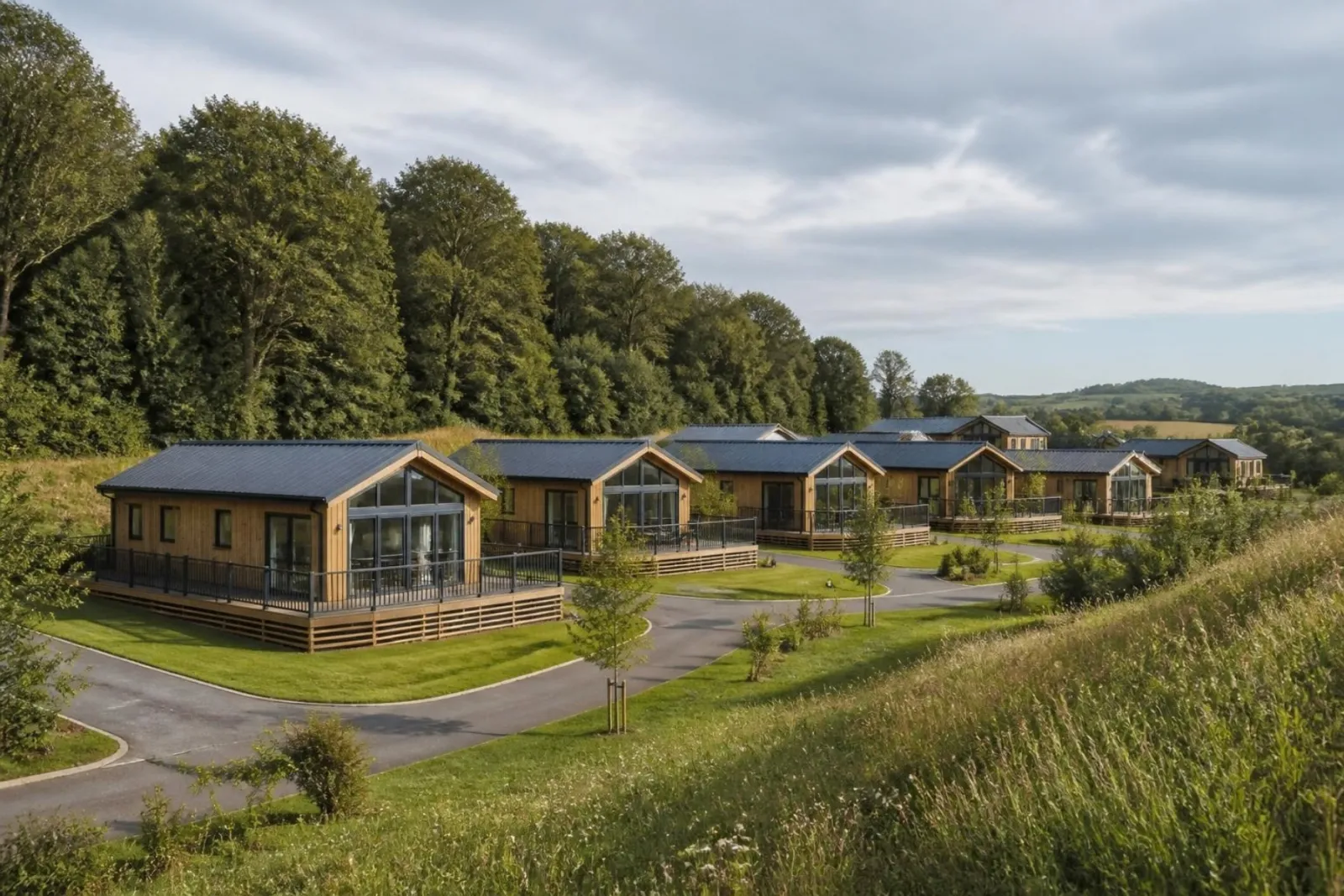
Buying a holiday park means buying a trading leisure business, not just a piece of land with caravans on it. A holiday or caravan park earns from a mix of pitch fees on sited holiday homes, the margin on selling and siting new static caravans and lodges, touring and camping income, and ancillary trade such as a clubhouse, shop or food and drink. That mix of recurring income and trading profit is what gives a well-run park its value, and it is why parks are bought, valued and financed on their earnings rather than on a residential loan to value.
This guide walks through the whole process: understanding what you are actually buying, running the numbers on earnings and tenure, the deposit and the park finance that funds the purchase, the site licence and planning rules you need to check first, and the steps from heads of terms to completion. We arrange holiday park and leisure-business finance as a broker and introducer. We are not a lender, and nothing here is investment, tax or legal advice.
What are you actually buying?
A holiday park is a trading business with property underneath it, so the first job is to understand where the money comes from. On most static holiday-home parks the largest recurring income is the annual pitch fee paid by each holiday-home owner for the right to keep their caravan or lodge on its pitch, alongside service charges for utilities, grounds and maintenance. On top of that sits the sales income, the margin a park makes buying static caravans and lodges and selling them sited to customers, which can be the single biggest profit line on a developing park. Touring and camping pitches, glamping units, and any clubhouse, shop or food and drink add further trade.
Because the income is a blend of recurring fees and trading profit, a park is valued and lent against on its earnings, usually its EBITDA or an adjusted operating profit, rather than on bricks and mortar alone. According to Savills' Holiday and Home Park Update 2025, operator profit conversion on holiday parks ran at around 29 per cent in 2024, a useful reminder that a park's headline turnover and its bankable profit are very different numbers. Before you offer, you need to understand the quality and durability of each income stream, because that is exactly what a buyer and a lender are paying for.
Tenure and the site licence: check these first
Two things decide more about a park deal than almost anything else, and both need checking before you fall in love with a site. The first is tenure. A freehold park, where you own the land outright, is a far stronger asset than a park held on a short or restrictive lease, because the value sits in the land and the trading right together, and lenders are most comfortable lending against freehold or long leasehold. A short leasehold park can still trade well, but it is a weaker security and a harder lend, and the lease terms need careful reading.
The second is the caravan site licence, issued by the local authority and running alongside the planning permission. The site licence and the planning consent together control how many caravans the park can hold, where, what type, and crucially the permitted use and season. A holiday licence usually restricts occupation to holiday use only and often closes the park for part of the year, which directly limits the income. A park with twelve-month holiday occupation is worth more than one closed for the winter, and any residential element brings separate, regulated considerations. Our caravan site licence guide and our park licensing and rules guide cover these in detail, and we recommend confirming the licence and planning position with the council and a solicitor before you commit.
How do you run the numbers on a park?
A park stands or falls on sustainable, evidenced earnings, not on an optimistic projection. Build the picture from the accounts. Separate the recurring pitch-fee and service-charge income, which is relatively durable, from the sales income, which depends on continuing to find buyers for new caravans and can be lumpy year to year. Then strip out the real running costs: grounds and maintenance, utilities, staff, rates, insurance, marketing, and the cost of replacing caravans and infrastructure over time. What is left, adjusted for any owner-specific or one-off items, is the EBITDA a buyer and a lender will work from.
Treat the seller's figures as a starting point to verify, not a promise. Ask for several years of accounts, the pitch-fee schedule, the licence and the planning consents, and check how much of the profit depends on continued caravan sales rather than recurring fees, because a park that has sold out its development pitches has a very different forward profile from one with room to grow. The conversion of turnover into profit matters as much as the turnover itself; Savills' figure of around 29 per cent profit conversion in 2024 is a sensible sense-check against any set of accounts. Our holiday park yields and EBITDA guide works the calculation through in detail.
Understand the rules and tax position first
Beyond the site licence, two further areas catch park buyers out. The first is planning and use. The planning permission sets the permitted use, the number and siting of units and often the open season, and any change, such as adding lodges, extending the season or introducing a residential element, may need fresh consent. A park's growth potential is governed by what the planning and licence will allow, so the consents are part of the value, not a footnote. Our park licensing and rules guide sets this out.
The second is tax, where the position changed in 2025. The furnished holiday lettings (FHL) tax regime, which gave qualifying self-catering holiday accommodation favourable treatment, was abolished from April 2025. This matters less for the park operator's trading business, which is taxed as a trade, than for the holiday-home owners on the park and for any park-owned units let as holiday accommodation, whose tax treatment has changed. Structure also matters: many parks are bought through a limited company or special purpose vehicle, and whether you buy the assets or the company shares has significant tax and risk consequences. We are not tax advisers; our FHL tax changes guide explains the background, and you should take advice from an accountant before you buy.
How much deposit do you need, and how is it funded?
Most holiday park purchases are funded with a specialist park acquisition mortgage, assessed as a commercial loan against the park's earnings and the value of the freehold trading asset, not on a residential loan to value. In our experience arranging these loans, park lenders typically work to around 50 to 65 per cent of value, so buyers should plan for a deposit and equity contribution of roughly 35 to 50 per cent, plus stamp duty or the relevant land transaction tax, legal and professional fees, and working capital for the business.
Lenders size the loan on the park's sustainable EBITDA and on the strength of the asset, including its tenure, licence, location and the durability of its pitch-fee income. They want the earnings to cover the loan payments with a comfortable margin under a stressed interest rate, and they look closely at the buyer's experience and the management going in. Terms typically run over 15 to 25 years. Our holiday park deposit and loan to value guide breaks down what changes the figure, and the deposit and loan to value calculator on this site lets you model it. We arrange this funding across specialist leisure and commercial lenders as an introducer and broker, not a lender.
Should you buy the assets or the company?
A holiday park is usually bought in one of two ways: an asset purchase, where you buy the land, licence and business from the seller, or a share purchase, where you buy the company that owns the park. The choice has real consequences. An asset purchase is cleaner on liability, because you generally leave the seller's history behind, but it can carry a higher land transaction tax charge and requires the licence and consents to be transferred or reissued. A share purchase can be more tax-efficient and keeps contracts and consents in place, but you inherit the company's history, including any hidden liabilities, so the due diligence has to be thorough.
This is a decision for your accountant and solicitor, taken early, because it shapes the tax, the due diligence and the finance. Lending to a limited company or special purpose vehicle that holds a park is well established, usually with personal guarantees from the directors, and the structure affects how the deal is documented. If you are weighing the structure, our colleagues at Limited Company Property Finance focus on company borrowing, and our colleagues at Commercial Mortgages Broker on the wider commercial picture. Decide the route before you exchange, because changing it later is slow and costly.
What does the process look like from heads of terms to completion?
A park purchase follows a commercial, not a residential, path. Once a price is agreed, the parties usually sign heads of terms setting out the deal, then due diligence begins in earnest: a forensic look at the accounts and pitch-fee schedule, the site licence and planning consents, the tenure and any leases, the condition of the infrastructure, and the stock of caravans and their ownership. In parallel, your finance proceeds, with the lender instructing a specialist valuer who will assess the park as a trading business on its earnings and assets. Having terms agreed in principle before you offer, which we can arrange, makes you a credible buyer in a competitive market.
The legal work is more involved than a house purchase, because the solicitor has to deal with the business, the licence, employment matters where staff transfer, and the apportionment of pitch fees and stock at completion. After completion the work shifts to running and improving the park: stabilising the income, often replacing tired stock, and frequently revisiting the finance once a trading record under your ownership is established, refinancing onto better terms or releasing equity to develop or buy the next park. We help with that refinance and any development funding as well as the purchase.
How to buy a holiday park: common questions
How are holiday parks valued?
As trading businesses, on their earnings rather than on bricks and mortar. A valuer assesses the sustainable EBITDA or adjusted operating profit and applies a multiple reflecting the park's tenure, licence, location and income quality, cross-checked against the value of the land and assets. This is why the accounts, the pitch-fee schedule and the licence matter so much to both price and finance.
How much deposit do I need to buy a holiday park?
Plan for a deposit and equity contribution of roughly 35 to 50 per cent of value, because park lenders typically work to around 50 to 65 per cent loan to value on a commercial basis. Add stamp duty or the relevant land tax, legal and professional fees and working capital. A strong, well-evidenced EBITDA and good tenure can support the higher end of the lending range.
Why does the site licence matter so much when buying a park?
The caravan site licence, alongside the planning permission, controls how many units the park can hold, their type and siting, and the permitted use and season. A holiday licence often limits occupation and closes the park for part of the year, which caps income, while tenure and any residential element change the risk. Lenders and valuers weigh all of this, so confirm the licence position before you offer.
Do I need experience to buy a holiday park?
It helps, and many park lenders prefer to see relevant leisure, hospitality or property management experience, or a credible management team going in. First-time park buyers are catered for, particularly with a strong management plan and a well-located, well-evidenced park, but experience can improve the terms available. As a broker we match your circumstances to the lenders most likely to support the deal.
Ready to talk about a real deal?
Send us the deal and we will come back with a view on fundability and likely terms within one working day.