Park home finance: loans for residential park homes
Park home finance is a question for two quite different groups: people who want to buy a residential park home to live in, often on retirement, and businesses t
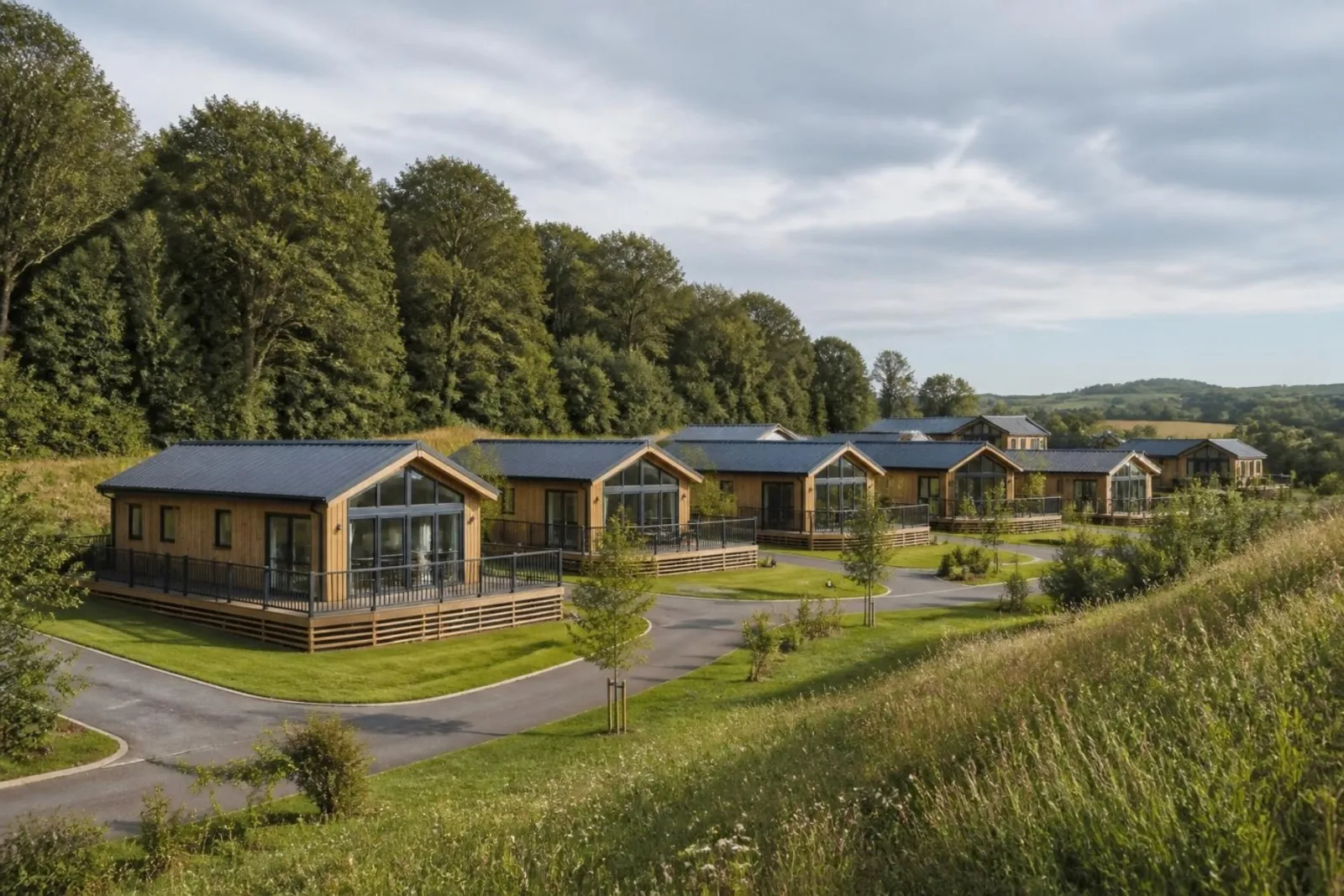

Park home finance is a question for two quite different groups: people who want to buy a residential park home to live in, often on retirement, and businesses that own or want to buy residential park home sites. Both run into the same starting fact. A park home is a caravan in law, sitting on a pitch that the site owner keeps, so it is not a house and cannot usually be mortgaged like one. What makes park homes different from holiday lodges is the legal framework around them: the Mobile Homes Act 1983, which gives residents security of tenure and sets rules on pitch fees and sales.
This guide explains how park homes differ from holiday homes, the key rules under the Mobile Homes Act 1983 that affect cost and resale, and how people typically fund a park home purchase. We are not authorised or regulated by the FCA and we handle only non-regulated finance. A loan to buy a park home to live in is a regulated consumer matter, so we refer those enquiries to an appropriately FCA-authorised firm. Where a business is buying or refinancing a residential park, that is finance we arrange directly. This is general information, not legal or financial advice.
What is a residential park home?
A park home is a mobile home, usually a single or twin-unit caravan within the statutory definition, used as someone's only or main residence on a protected site. Protected sites hold a residential site licence and planning permission for year-round living. This sets park homes apart from holiday lodges and static caravans, which sit on holiday licences restricting them to holiday use, often with a closed season and a requirement that the owner lives elsewhere.
Buying a park home means buying the home itself and entering into an agreement with the site owner to station it on a pitch. The site owner keeps the land. Because the home is not land, it is not registered at HM Land Registry and there is no conventional title for a mortgage lender to charge. That is why searches such as can you get a mortgage on a park home so often lead to the answer that a standard residential mortgage is not available.
The Mobile Homes Act 1983 and the pitch agreement
In England, the Mobile Homes Act 1983 governs agreements between park home owners and site owners on protected sites. Wales has its own legislation, the Mobile Homes (Wales) Act 2013, and Scotland applies the 1983 Act with its own amendments. The Act requires the site owner to provide a written statement of the agreement, and it implies a set of terms into every agreement that cannot be removed, covering matters such as the owner's right to stay on the pitch, pitch fee reviews, repairs and the right to sell or gift the home.
Security of tenure is the headline protection. The agreement can only be ended by the site owner on specific grounds set out in the Act, typically with an order from a tribunal or court. For a buyer, and for anyone lending against the home, this is what gives a park home its long-term value compared with a holiday unit whose licence can run out. The written statement and pitch agreement are the documents any lender or adviser will want to see.
Pitch fees on residential park homes
Every park home owner pays a pitch fee to the site owner. Under the Mobile Homes Act 1983 the site owner can propose a change to the pitch fee once a year, with at least 28 days' written notice, using the prescribed pitch fee review form. There is a presumption that the fee changes in line with inflation, and in England the Mobile Homes (Pitch Fees) Act 2023 switched that inflation measure from the Retail Prices Index (RPI) to the Consumer Prices Index (CPI) with effect from 2 July 2023. Wales moved to CPI under the Mobile Homes (Wales) Act 2013. If an owner does not agree the proposed fee, either side can apply to the tribunal.
The pitch fee is an ongoing cost that never ends while you own the home, so it belongs in any affordability calculation alongside utilities, council tax, insurance and maintenance. Our pitch fees guide explains what the fee covers and how reviews work in more detail.
The 10 per cent commission on sale
When a park home is sold on the site, the site owner is entitled to a commission on the sale price. The maximum rate is fixed by the Mobile Homes (Commissions) Order 1983 at 10 per cent. In England, the process for selling or gifting a park home was reformed in 2013, and the buyer is responsible for paying the commission to the site owner after the sale. The commission has long been debated, and the government has sought evidence on it, but at the time of writing the maximum rate remains 10 per cent.
For a buyer, the commission matters in two ways. It reduces what you will net when you eventually sell, which affects the long-term cost of ownership. And it is part of the reason park homes do not behave like bricks and mortar when valued: resale value depends on the age and condition of the home, the site, and the pitch fee, as well as local demand. Anyone lending against a park home, or relying on its future sale, should factor this in.
How people fund a park home
Because a park home is not land, buyers tend to fund it in the same ways as other chattel purchases, or with money raised elsewhere. The most common source is cash from the sale of a previous home, which is why park homes are popular with people downsizing. Others use a loan secured against a property they still own, an unsecured personal loan for a smaller balance, or specialist park home finance secured on the home itself, where it is available. A few lenders have offered products designed for park homes, but availability has been limited and changes over time.
Every one of these, when the home is for you to live in, is regulated consumer credit or a regulated mortgage, so it must be arranged by an FCA-authorised firm. We are not authorised by the FCA and do not arrange or advise on personal park home finance. If you contact us about a park home to live in, we will explain the options in general terms and refer you to an appropriately authorised firm. The same applies to equity release: because park homes are not land, most lifetime mortgage products do not accept them, and anyone considering releasing money from a park home should take regulated advice.
Finance for residential park businesses
Residential park home sites are also bought, sold and refinanced as businesses. A site owner's income comes from pitch fees across the park, commission on home sales, and in some cases the margin on selling new homes onto vacant pitches. Lenders look at the freehold, the residential site licence and planning, the pitch fee roll, the condition of the park and the owner's record of compliance, including the fit and proper person requirements for site managers in England.
This is business lending, generally outside consumer regulation, and it is where we arrange finance directly as a broker and introducer, not a lender. Our page on parks with residential elements explains how lenders view residential and mixed parks, and our park acquisition and refinance pages cover the funding options for owners and buyers of park home sites.
Park home finance: common questions
Can you get a mortgage on a park home?
Not usually a standard residential mortgage. A park home is a caravan in law on a pitch the site owner keeps, so there is no registered title to secure a mortgage against. Buyers typically use cash, money raised against another property, a personal loan, or specialist park home finance where it is available, all of which are regulated when the home is for your own use.
Do you arrange loans for residential park homes?
Not for people buying a park home to live in. We are not authorised or regulated by the FCA and only handle non-regulated finance, so we refer personal park home enquiries to an appropriately FCA-authorised firm. We do arrange finance for businesses buying or refinancing residential park home sites.
What is the 10 per cent commission on a park home sale?
Under the Mobile Homes (Commissions) Order 1983 the site owner is entitled to commission of up to 10 per cent of the sale price when a park home is sold on the site. In England the buyer pays it to the site owner after the sale. It reduces the net value you realise on resale, so it belongs in any long-term cost calculation.
How often can park home pitch fees go up?
Under the Mobile Homes Act 1983 the site owner can propose a change once a year, giving at least 28 days' written notice on the prescribed form. In England the presumed change has been linked to CPI since 2 July 2023. If the owner does not agree, the site owner or the owner can apply to the tribunal.
Can you get equity release on a park home?
It is difficult. Most lifetime mortgage and equity release products require the security to be land or a building with its own title, which a park home is not. Anyone considering raising money from a park home should take advice from an FCA-authorised adviser.
Ready to talk about a real deal?
Send us the deal and we will come back with a view on fundability and likely terms within one working day.