Static caravan finance: how to fund a holiday caravan
Static caravan finance is how most holiday caravans on UK parks are paid for when the buyer is not using cash. A static caravan is a movable holiday home sited
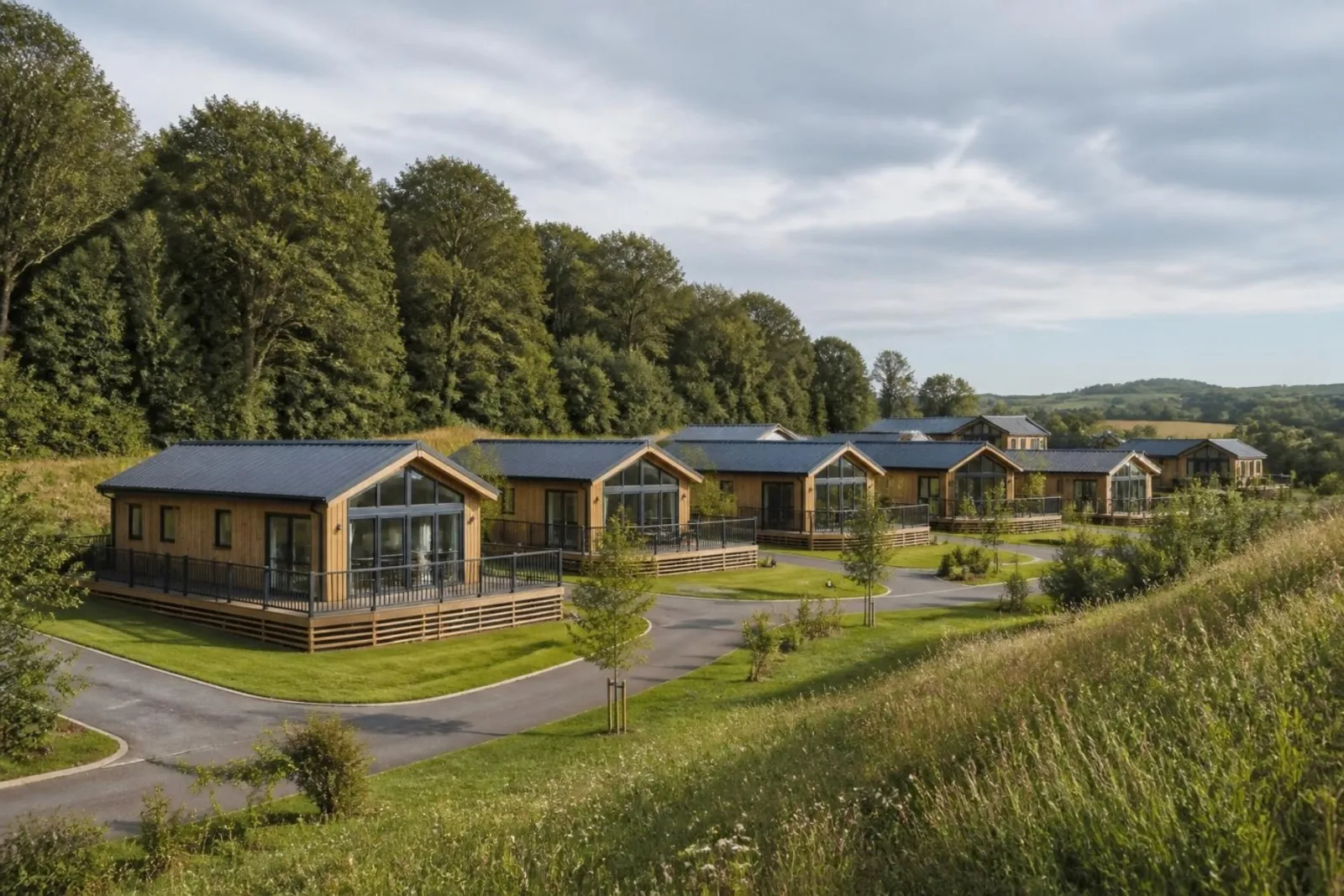

Static caravan finance is how most holiday caravans on UK parks are paid for when the buyer is not using cash. A static caravan is a movable holiday home sited on a pitch that the park owns, so it is financed as an asset in its own right, much like a car or a boat, rather than with a mortgage. The finance is often offered by the park at the point of sale, but it is not the only route, and the right choice depends on the total cost, the age of the caravan, the park's rules on older units and how the annual site fees will change.
This guide walks through the options, the costs that sit alongside the loan, and the questions to ask before you sign. We are a broker for holiday park and leisure business finance. We are not authorised or regulated by the FCA and handle only non-regulated finance. A static caravan bought for your own or your family's holidays is usually financed with regulated consumer credit, so we refer those enquiries to an appropriately FCA-authorised firm. Parks and businesses financing caravan stock or units to let are a different matter, and that is finance we arrange directly. Nothing here is advice.
How static caravan finance works
Because a static caravan is a chattel rather than land, finance for one is usually structured as an asset loan secured on the caravan itself, commonly hire purchase or a similar agreement where the lender owns the caravan until the final payment is made. You pay a deposit, then fixed monthly instalments over an agreed term. If you stop paying, the lender can recover the caravan, subject to the protections in the Consumer Credit Act 1974 for regulated agreements.
The amount a lender will advance, and for how long, generally reflects the price and age of the caravan, the deposit, your circumstances and the remaining time the caravan can stay on its pitch. New caravans sold by a park usually attract the widest choice of terms. Older and privately sold caravans can be harder to finance, which is one reason many pre-owned caravans are bought with cash or with money raised elsewhere.
Park-arranged finance against independent routes
Most holiday parks that sell caravans offer finance through a panel or a single finance provider, arranged in the sales office. The appeal is convenience: one conversation, a quick decision and the caravan sited on the same day. The drawbacks are that the offer is tied to that park and that caravan, the price of the caravan and the finance are negotiated together, and you may not see how the deal compares with the wider market. Special offers such as low deposits or discounted rates are sometimes balanced by a higher caravan price or conditions on site fees.
Independent routes include an unsecured personal loan, which leaves you owning the caravan outright from day one, or releasing money from your own home through a remortgage or second charge, which may cost less per year but secures the debt on your house and can stretch it over many years. Whichever route you consider, compare the total amount payable rather than the monthly figure, check whether there are early repayment charges, and read the site agreement alongside the finance agreement. For a personal purchase all of these are regulated products, so they must be arranged by FCA-authorised firms; we can explain the landscape but do not arrange them.
Depreciation: a caravan is not a house
The most important difference between a static caravan and bricks and mortar is value over time. Caravans generally depreciate, often steeply in the first years, in much the same way as a new car. Part of the reason is physical wear, part is that newer models set the market, and part is that a caravan's resale value depends on how long it can remain on its pitch. The trade-in or sale price you achieve later is often well below what you paid.
That has two consequences for finance. First, a long loan on a depreciating asset can leave you owing more than the caravan is worth for much of the term, which limits your options if you want to sell or change parks. Second, the true annual cost of ownership includes that loss of value, not just the loan repayments and fees. Treat a static caravan as a lifestyle purchase that costs money each year, rather than an investment that will hold its value, and choose a finance term to match.
Park age limits and the site agreement
Many holiday parks set a maximum age for caravans on the park, or reserve the right to require an older caravan to be replaced or removed at the end of a certain period. The detail is in the licence or holiday home agreement, and it varies from park to park. Some parks set it as a fixed number of years from manufacture; others review it on condition. When a caravan reaches that point, the owner may be asked to part-exchange it for a newer model, sell it off site or have it removed.
For a buyer, especially of a pre-owned caravan, the remaining time before that point is critical. It limits how long you will be able to use the caravan, it caps its resale value, and it should cap any finance term. A loan still running after the caravan has to leave the park is a problem worth avoiding. Ask the park in writing how long the specific caravan can stay, and check the agreement for any right to move you to a different pitch.
Site fees and how they rise
The annual site fee, or pitch fee, is the other large cost of static caravan ownership, and it is payable whether or not you use the caravan. On a holiday park, the fee and how it is reviewed are set by the contract with the park, not by the Mobile Homes Act 1983, which applies to residential park homes. Fees are usually reviewed each year and can rise faster than general inflation, so check what the agreement says about the basis of any increase and look at how the fee has moved over the past few years.
Alongside the site fee there are usually business rates or a share of them, water and sewerage, gas and electricity, insurance, and sometimes charges for winter draining, gas safety checks and connection. Add these to the finance repayment to see the real monthly cost. Our pitch fees guide explains what site fees cover and how they differ between holiday parks and residential park homes.
Questions to ask before you sign
Before committing to static caravan finance, get clear answers to a short list of questions. What is the total amount payable, including all interest and fees, and the annual percentage rate? How long can this caravan stay on the park, and what happens then? What is the current site fee, what did it cost in each of the last few years, and how is it reviewed? Can you sell the caravan privately on the park, and does the park take a commission? Can you let it out, and on what terms? What happens to the finance if you change park or the caravan has to be removed?
It is also worth asking what the caravan would be worth in trade-in after a few years, to set expectations about depreciation, and whether any finance offer depends on buying a particular caravan or paying a particular site fee. Written answers help you compare offers fairly.
Finance for parks and caravan businesses
Parks themselves also need caravan finance: to buy stock of new holiday homes to site and sell, to fund caravans kept for their own hire fleet, and to develop new pitches. That is business borrowing, generally outside consumer credit regulation, and it is assessed on the park's trading record, its licence and planning, and its pitch fee income.
This is the side of static caravan finance we arrange directly, as a broker and introducer to specialist leisure lenders. Our pages on static caravan and holiday home parks and on leisure and trading business mortgages explain how lenders view parks with active caravan sales.
Static caravan finance: common questions
Can you get a mortgage on a static caravan?
No, not a standard mortgage. A static caravan is a movable chattel on a pitch owned by the park, so there is no land to secure a mortgage against. Static caravans are usually bought with asset finance such as hire purchase, an unsecured loan, money raised against another property, or cash.
Should I use the park's finance or arrange my own?
Park finance is convenient, but it is tied to that park and that caravan, and the price and the finance are often negotiated together. Comparing it with independent options on total amount payable, term and flexibility helps you see whether it is good value. For a personal purchase, speak to an FCA-authorised lender or broker.
Do static caravans lose value?
Generally yes. Static caravans tend to depreciate, often most sharply in the early years, and their resale value also depends on how long they can stay on their pitch. Plan on the basis that the caravan is a cost of holidays rather than an investment that holds its value.
Is there an age limit for static caravans on a park?
Many parks set one, or reserve the right to require older caravans to be replaced or removed. The terms are in the licence or holiday home agreement and differ between parks. Always check how long the specific caravan can remain before buying, especially if it is pre-owned or being financed.
Do you arrange static caravan finance?
Only for businesses. We are not authorised or regulated by the FCA and handle only non-regulated finance, so we refer personal static caravan finance enquiries to an appropriately FCA-authorised firm. We arrange finance for parks funding caravan stock, hire fleets and pitch development.
Ready to talk about a real deal?
Send us the deal and we will come back with a view on fundability and likely terms within one working day.