Buying a holiday lodge as an investment: letting, fees and returns
Buying a lodge as an investment is a popular idea: a holiday home to use for part of the year and let out for the rest, with the letting income covering the cos
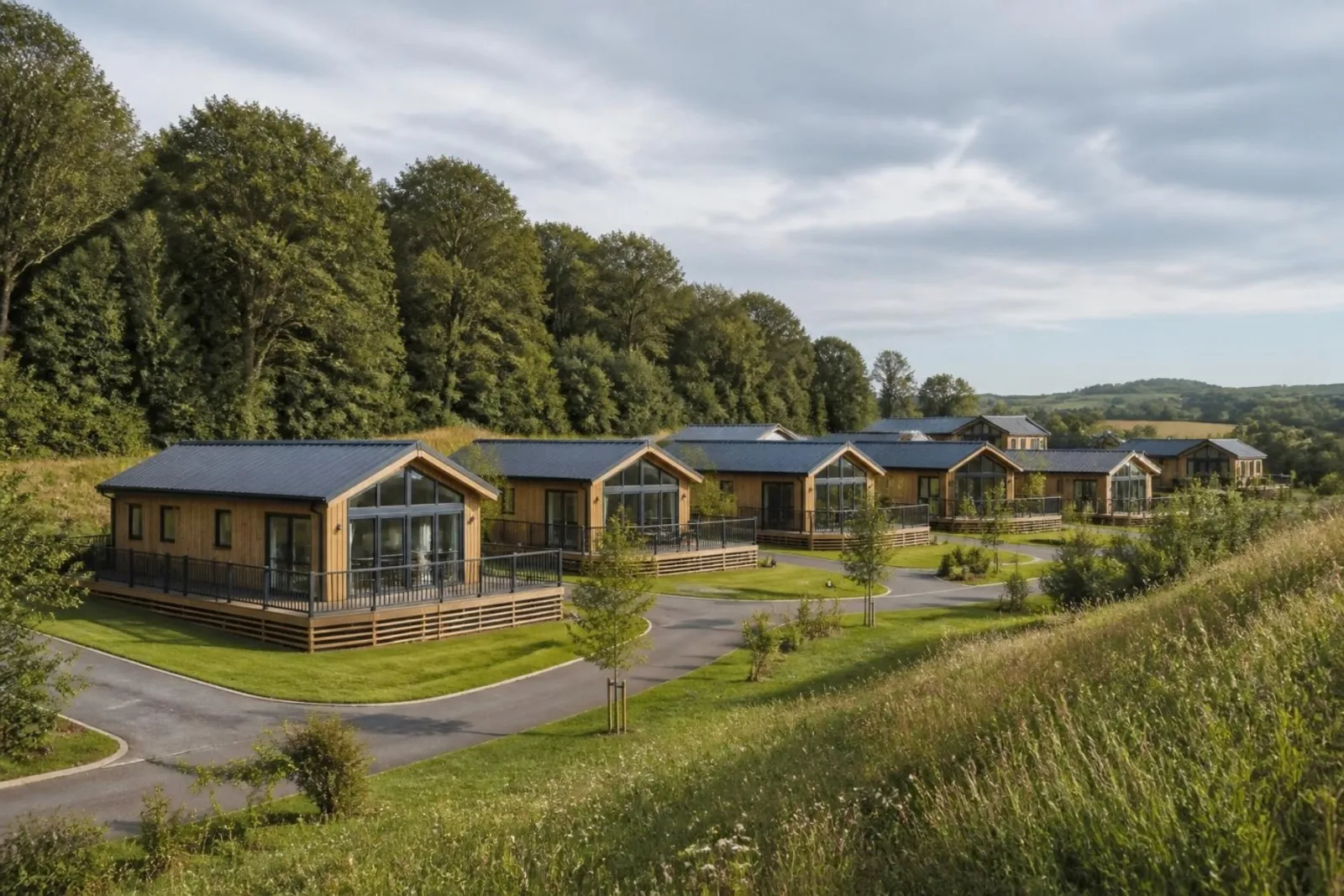

Buying a lodge as an investment is a popular idea: a holiday home to use for part of the year and let out for the rest, with the letting income covering the costs or even producing a return. Some parks market lodges on exactly that basis. The reality is more mixed. Whether a lodge works as an investment depends on the park's rules on letting, the commission the park takes, the pitch fee and running costs, how much the lodge depreciates, and how much you want to use it yourself.
This guide looks at how lodge letting works on parks, how to test income against costs, how the tax position has changed, and how lodges are financed when they are bought as a business. We arrange non-regulated finance for holiday park and leisure businesses as a broker, not a lender. We are not authorised or regulated by the FCA. If you are buying a lodge mainly for personal use, the finance is usually regulated and we refer that enquiry to an FCA-authorised firm. This is general information, not investment, tax or financial advice.
Is a holiday lodge a good investment?
A lodge on a park is not an investment in the way a buy-to-let house can be. In most cases you own a depreciating unit on a pitch you do not own, under a licence that runs for a period and costs an annual fee. The capital value tends to fall over time rather than rise, and the resale market is usually limited to the park itself. Any return has to come from letting income exceeding the costs by enough to offset depreciation.
That can happen. A well-located lodge on a popular park, let through an effective letting scheme with strong year-round demand, can generate meaningful income. But the numbers are sensitive to occupancy, nightly rates, the park's commission and fee increases, and they are often weaker than marketing material suggests. Treat any guaranteed return or rental guarantee with care, read how it is funded and how long it lasts, and assume that the true test is the income after all costs, over a realistic number of let nights, with nothing guaranteed.
Park letting rules and commission
The single biggest factor is what the park allows. Some parks do not permit owners to let their lodges at all. Others allow letting only through the park's own letting service, which markets the lodge, takes bookings, handles changeovers and cleaning, and deducts a commission and charges from the income. A smaller number allow owners to let privately, sometimes with a fee or conditions. The rules are in the licence or holiday home agreement, and they can change on renewal.
Before buying, get the letting terms in writing: whether letting is permitted, the commission rate and what it covers, who sets the prices, how many weeks the park expects to let, the weeks reserved for your own use, and how income is paid. Ask for evidence of actual occupancy and income on comparable lodges on the same park, rather than projections. The site licence will also usually restrict the lodge to holiday use only, so it cannot be let as someone's home.
Running the numbers: income against site fees
Start with realistic gross letting income: the number of nights you expect to let multiplied by the average nightly rate achieved, based on evidence rather than peak prices. Take off the park's commission and any letting charges. Then deduct the annual pitch fee, utilities, business rates or council tax as they apply, insurance, cleaning and linen if not included, maintenance and repairs, safety checks, and any finance repayments. What remains, before tax, is the net income.
Then allow for depreciation, the fall in the lodge's value each year, and for the fact that pitch fees and costs tend to rise. A lodge that shows a small surplus before depreciation may be losing money overall. The holiday let calculator on this site lets you model gross income, occupancy, fees and costs to see how sensitive the result is. Try it with cautious assumptions as well as optimistic ones, and use our pitch fees guide to understand what the site fee covers.
What to check on the park before you buy
Because the park controls so much of a lodge's income and value, the park deserves as much scrutiny as the lodge. Look at the length of the season and whether the licence allows twelve-month holiday occupancy, since a park that closes for the winter caps the letting year. Look at the facilities and the location that drive bookings, the standard of the grounds, and how many other lodges are competing for the same guests, particularly any the park lets on its own account. Ask how many lodges on the park are for resale and at what prices, which tells you something about demand and likely resale value.
Then read the agreement closely: the remaining licence term, the park's policy on older lodges, any restrictions or commission on private resale, the basis of pitch fee reviews, and whether the letting terms can change. A solicitor experienced in holiday home agreements can review it before you commit. None of this is about finding a perfect park, but it helps you judge whether the letting case is realistic and how exposed the lodge is to decisions made by the park owner.
Tax: the end of the furnished holiday lettings regime
The tax treatment of holiday letting changed in 2025. The furnished holiday lettings (FHL) regime, which gave qualifying holiday lets tax advantages over ordinary lettings, was abolished from April 2025. Holiday letting income is now generally treated like other property income. Capital gains tax may also apply on the sale of a lodge in some circumstances, and the treatment of a movable caravan or lodge can differ from that of land, so the position depends on the facts.
We are not tax advisers. Before buying a lodge for letting, and before choosing whether to buy personally or through a company, take advice from an accountant who understands holiday lets and caravans. Our FHL tax changes guide explains the background to the 2025 change.
Personal purchase or business investment?
How a lodge purchase is financed depends on who is buying and why. If you are buying a lodge to use yourself, with occasional letting to offset costs, finance is usually a regulated consumer matter: lodge finance secured on the unit, a personal loan, or money raised against your home. Those must be arranged by FCA-authorised firms, and we refer such enquiries to an appropriately authorised firm rather than arranging them ourselves.
If the lodge, or more often several lodges, are being bought as a business, for example by a company letting holiday accommodation, a park operator adding units, or an investor buying a lodge park or a block of pitches, the finance is typically for business purposes and outside consumer regulation. Lenders then look at the business case: the park, its licence and planning, the letting record and the security available. That is the lodge finance we arrange directly.
How investors finance lodges and lodge parks
Business buyers use several structures. Development finance funds building out a new lodge park or adding lodges to an existing park, with the loan drawn in stages as bases, services and units go in. Acquisition finance funds buying a park with lodges already sited and let, assessed on the park's earnings. Refinance releases capital from a portfolio of let lodges or a completed lodge park. Bridging finance can bridge a purchase until longer-term funding is in place.
In each case, lenders focus on the land and the trading business rather than individual units, because the value sits in the freehold, the site licence and the income stream. Our pages on glamping and lodge development finance, lodge parks and park portfolio finance set out how those loans are structured. If you are investing at that scale, send us the outline and we will come back with a view on fundability.
Buying a lodge as an investment: common questions
Are holiday lodges a good investment?
They can generate letting income, but in most cases a lodge on a park depreciates, sits on a pitch you do not own, and carries rising annual fees. Any return depends on letting income exceeding all costs and depreciation. Test the numbers on cautious assumptions and treat guaranteed-return schemes with care.
Can I let out my holiday lodge?
Only if the park allows it. Some parks forbid letting, many require owners to let through the park's own letting service for a commission, and some permit private letting on conditions. The rules are in your licence or holiday home agreement, and lodges on holiday licences cannot be let as someone's permanent home.
How much does it cost to own a holiday lodge each year?
The main costs are the annual pitch fee, utilities, rates, insurance, maintenance and safety checks, plus any letting commission and finance repayments. Depreciation is a real cost too. Figures vary widely by park, so ask for the current fees and their history before buying.
Can I buy a lodge as a business?
Yes. Companies and investors buy lodges and lodge parks to let as holiday accommodation, and finance for business purchases is generally non-regulated. That is the kind of lodge finance we arrange, through specialist leisure and commercial lenders, as a broker rather than a lender.
Did the furnished holiday lettings tax rules change?
Yes. The furnished holiday lettings regime was abolished from April 2025, so holiday letting income is now generally taxed like other property income. Take advice from an accountant on your own position before buying a lodge to let.
Ready to talk about a real deal?
Send us the deal and we will come back with a view on fundability and likely terms within one working day.